
- February 28, 2026
Ingrown Toenail Removal: Safe, Effective Treatment for Lasting Relief
Ingrown toenails are a common and painful foot condition that can interfere with your daily activities, walking, and overall comfort. If left untreated, they can worsen and lead to infections or complications.
In this comprehensive guide, you’ll learn everything about ingrown toenails including causes, the stages of ingrown toenail, treatment options, how to remove ingrown toenail, recovery, and prevention tips.
What Is an Ingrown Toenail?
An ingrown toenail occurs when the edge or corner of a toenail grows into the surrounding skin instead of over it. This most commonly affects the big toe, but it can happen to any toe.
When the nail pierces the skin, it causes:
- Pain and tenderness
- Redness and swelling
- Warmth around the toe
- Infection in severe cases
According to the American Podiatric Medical Association, ingrown toenails are one of the most frequent foot problems treated by podiatrists, and proper treatment is essential to prevent complications.
Causes of Ingrown Toenails
Understanding the causes helps prevent recurrence after ingrown toenail removal.
1. Improper Nail Trimming
Cutting toenails too short or rounding the edges encourages the nail to grow into the skin.
2. Tight Footwear
Shoes that squeeze your toes put pressure on the nail, forcing it into the surrounding tissue.
3. Injury or Trauma
Stubbing your toe or repeated pressure from sports can cause abnormal nail growth.
4. Genetic Factors
Some people naturally have curved or thick toenails that are more prone to becoming ingrown.
5. Poor Foot Hygiene
Keeping feet damp or dirty increases infection risk.
6. Medical Conditions
Conditions like diabetes, poor circulation, or fungal infections can increase risk.
Stages of Ingrown Toenail
Knowing the stages of ingrown toenail helps determine when professional ingrown toenail removal is necessary.
Stage 1: Mild (Early Stage)
Symptoms include:
- Slight redness
- Mild pain
- Minor swelling
At this stage, home remedies may help.
Stage 2: Moderate Stage
Symptoms worsen and may include:
- Increased swelling
- More intense pain
- Possible fluid discharge
Medical treatment may be needed.
Stage 3: Severe Stage
This stage involves infection and serious symptoms:
- Severe pain
- Pus formation
- Excess tissue growth
- Infection spreading
Professional ingrown toenail removal is strongly recommended.
How to Remove Ingrown Toenail: Treatment Options
Treatment depends on the severity of the condition.
Home Remedies (Mild Cases Only)
If caught early, you may learn how to remove ingrown toenail safely at home with these methods:
1. Warm Salt Water Soaks
Soak your foot in warm salt water for 15–20 minutes, 2–3 times daily.
Benefits:
- Reduces swelling
- Softens nail
- Prevents infection
2. Lift the Nail Gently
Place clean cotton or dental floss under the nail edge to help it grow outward.
3. Apply Antibiotic Cream
Helps prevent infection and speeds healing.
4. Wear Comfortable Shoes
Avoid tight footwear to reduce pressure.
However, avoid attempting removal if pain or infection is severe.
Professional Ingrown Toenail Removal Procedure
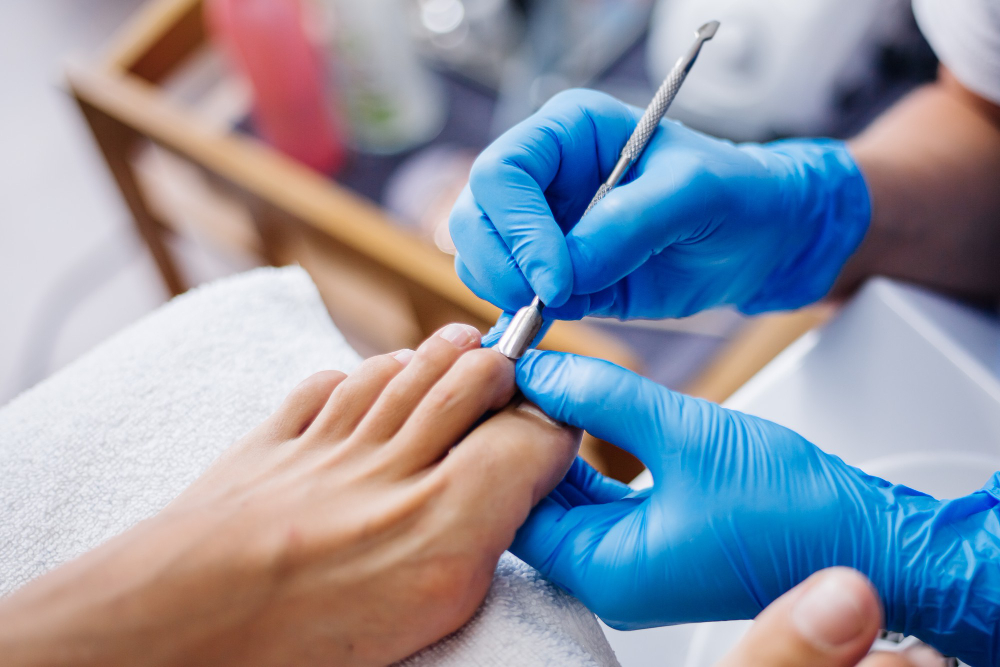
For moderate to severe cases, professional ingrown toenail removal is the safest option.
According to the Mayo Clinic, medical treatment prevents infection and ensures proper healing.
Step-by-Step Procedure
Step 1: Examination
The doctor evaluates the toe and determines severity.
Step 2: Local Anesthesia
The toe is numbed to ensure a painless procedure.
Step 3: Nail Removal
Depending on severity, the doctor may perform:
- Partial nail removal (most common)
- Complete nail removal (rare cases)
Step 4: Nail Matrix Treatment
To prevent recurrence, the nail root may be treated.
Step 5: Dressing and Protection
The toe is bandaged to promote healing.
Types of Ingrown Toenail Removal Procedures
1. Partial Nail Removal (Partial Nail Avulsion)
Most common and effective.
Benefits:
- Removes only the affected portion
- Faster recovery
- Lower recurrence risk
2. Total Nail Removal
Used in severe or recurring cases.
Benefits:
- Eliminates severe infection
- Prevents chronic issues
3. Laser Treatment
Modern and precise option.
Benefits:
- Minimal pain
- Faster healing
- Reduced infection risk
Benefits of Professional Ingrown Toenail Removal
Professional removal offers several advantages:
Immediate Pain Relief
Removes the source of discomfort.
Prevents Infection Spread
Stops bacteria from worsening the condition.
Long-Term Solution
Reduces recurrence risk.
Safe and Sterile Procedure
Minimizes complications.
Fast Recovery
Most patients resume normal activities quickly.
Recovery After Ingrown Toenail Removal
Recovery is usually quick and uncomplicated.
First 24–48 Hours
- Mild pain or discomfort
- Keep foot elevated
- Avoid excessive walking
First Week
- Change dressing regularly
- Keep toe clean and dry
- Wear open-toe or loose shoes
Full Recovery Timeline
Recovery Stage Timeline
- Initial healing 1–2 weeks
- Skin healing 2–4 weeks
- Full recovery 4–6 weeks
Most patients experience relief immediately after ingrown toenail removal.
Risks of Ignoring Ingrown Toenails
Delaying treatment can cause:
- Serious infection
- Abscess formation
- Chronic pain
- Spread of infection
- Tissue damage
High-risk individuals, especially those with diabetes, should seek treatment immediately.
Who Needs Ingrown Toenail Removal?
You may need professional ingrown toenail removal if you experience:
- Severe pain
- Signs of infection
- Pus or discharge
- Recurring ingrown toenails
- Difficulty walking
How to Prevent Ingrown Toenails
Prevention is key after treatment.
Trim Nails Properly
Cut straight across, not curved.
Wear Proper Footwear
Choose shoes with enough toe space.
Maintain Foot Hygiene
Keep feet clean and dry.
Avoid Nail Trauma
Protect toes from injury.
Inspect Feet Regularly
Early detection prevents complications.
When to See a Doctor
Seek medical care if you notice:
- Severe pain
- Infection signs
- Pus
- Fever
- Recurring ingrown toenails
Prompt ingrown toenail removal ensures faster recovery.
Why Professional Treatment Is Better Than Home Removal
Many people attempt home removal, but professional care is safer.
Home Removal Risks
- Infection
- Improper removal
- Increased pain
- Recurrence
Professional Removal Benefits
- Safe procedure
- Proper sterilization
- Long-term results
FAQs
1. Is ingrown toenail removal painful?
A. No. The procedure is done under local anesthesia, so you won’t feel pain during removal. Mild discomfort may occur during recovery.
2. How long does ingrown toenail removal take?
A. The procedure typically takes 15–30 minutes.
3. How to remove ingrown toenail safely?
A. Mild cases may be treated with soaking and proper nail care. Severe cases require professional ingrown toenail removal for safe and effective treatment.
4. What are the stages of ingrown toenail?
A. There are three stages:
Stage 1: Mild pain and redness
Stage 2: Increased swelling and infection risk
Stage 3: Severe infection and tissue growth
5. Can ingrown toenails heal on their own?
A. Mild cases may heal with proper care, but moderate and severe cases require medical treatment.
6. How long does recovery take?
A. Most people recover within 2–4 weeks after ingrown toenail removal.
7. Can ingrown toenails come back after removal?
A. Recurrence is possible but less likely with professional treatment.
8. Is ingrown toenail removal safe?
A. Yes, it is a safe and common procedure with minimal risks when performed by professionals.
9. When should I see a doctor for ingrown toenail removal?
A. See a doctor if you have severe pain, infection, or recurring ingrown toenails.
10. How can I prevent ingrown toenails after treatment?
A. Trim nails properly, wear comfortable shoes, and maintain good foot hygiene.
Conclusion
Ingrown toenails can be painful and disruptive, but ingrown toenail removal provides a safe, effective, and long-lasting solution. Early treatment prevents complications and ensures faster healing.
Understanding the stages of ingrown toenail and knowing how to remove ingrown toenail safely can help you take action before the condition worsens. While home remedies may help mild cases, professional treatment is the best option for moderate to severe ingrown toenails.
If you experience persistent pain, swelling, or infection, seeking professional ingrown toenail removal through trusted primary care services can restore comfort, prevent complications, and help you walk pain-free again.